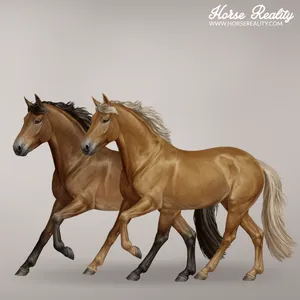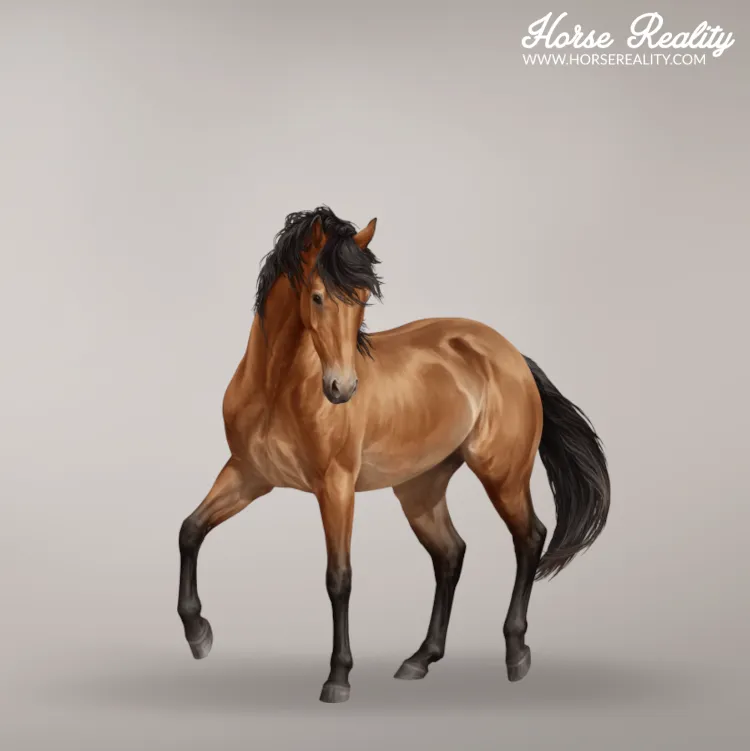
Appearance
| Foals | 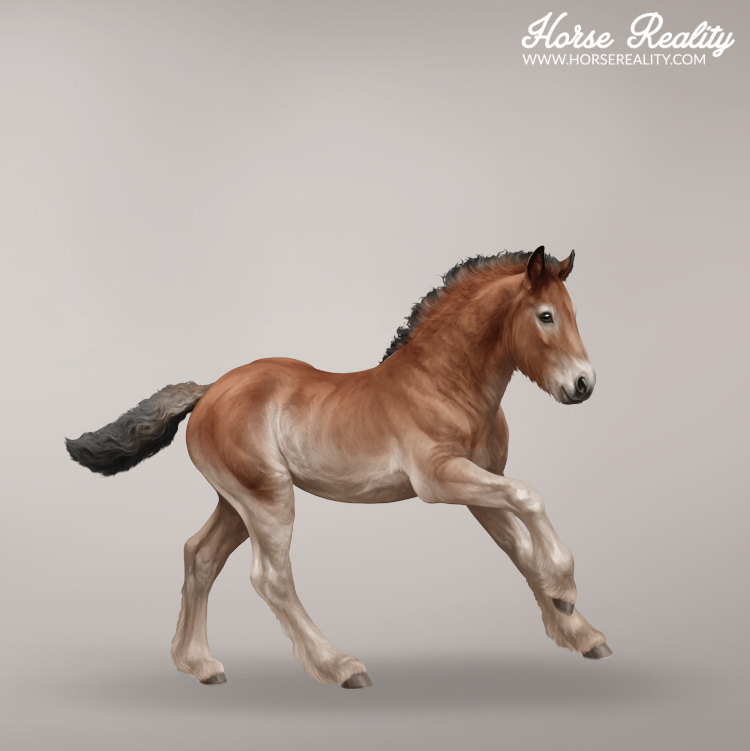 |
Foals have lighter soft parts. |
|---|
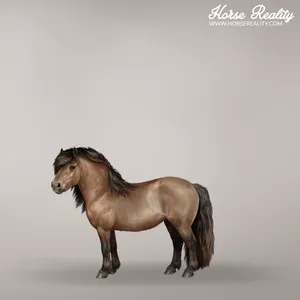
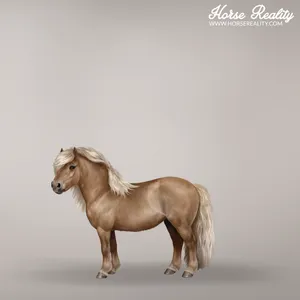
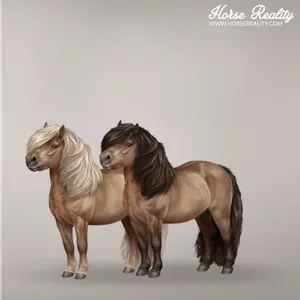
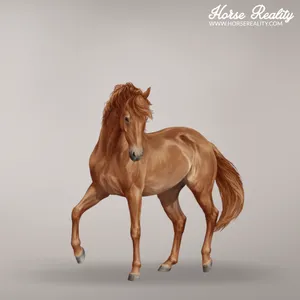
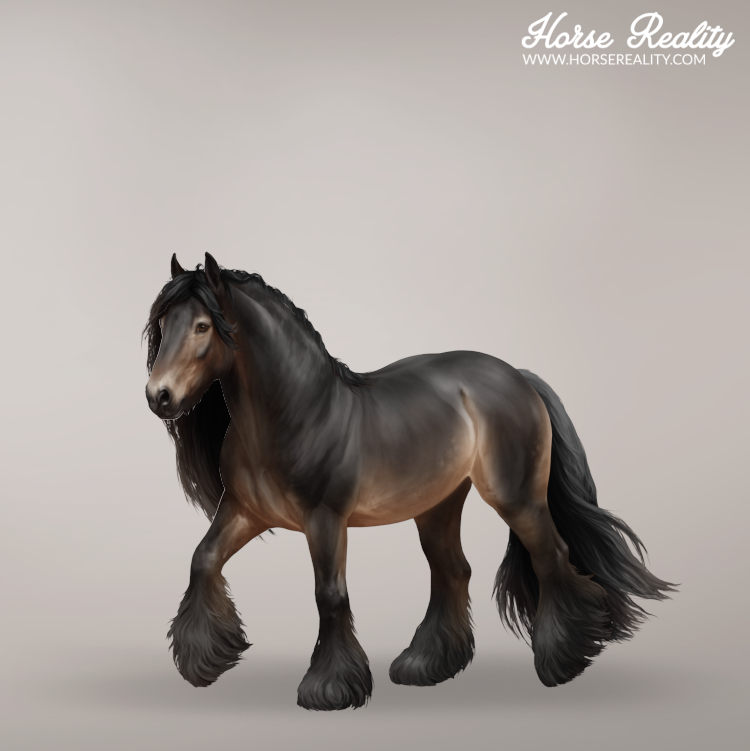
The intensity of pangaré can differ strongly between horses. It may lighten the soft parts from a light brown to a nearly white color, and in some cases, these pale areas can extend high up the body. It may be a form of countershading to helpcamouflage horses and protect them from predators. |
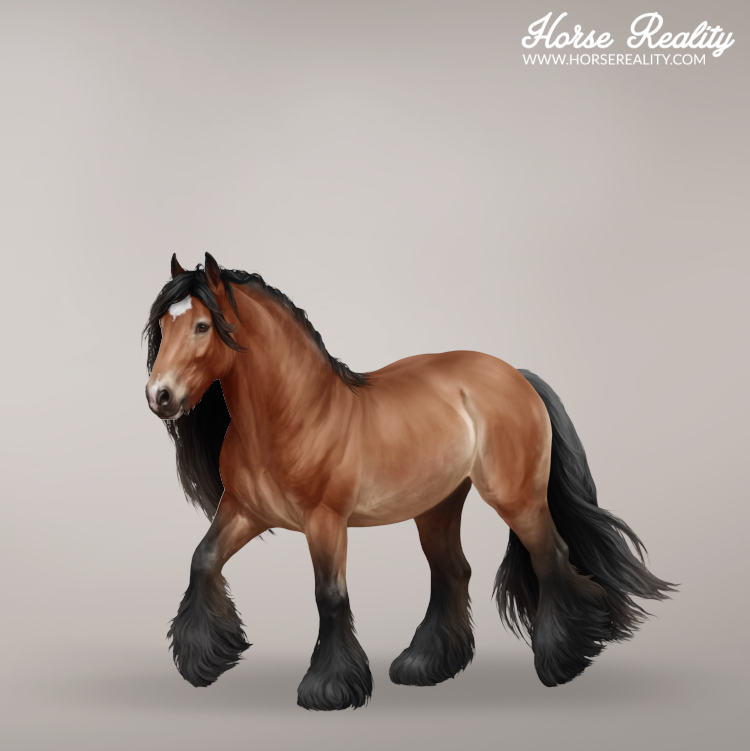 |
Adults |
|---|
Bay shade variations
| Seal brown pangaré |
 |
|---|
Mimics
Since foals usually have lighter soft parts/ points in general because of foal camo, they could be mistaken for pangaré.
Genetics
The genetic mutation that causes pangaré is currently unknown. Research suggests a region regulating the EDN3 gene may be responsible for pangaré.
In our game, Horse Reality, pangaré is caused by the dominant PA-allele of the hidden pangaré gene. For any color we don't know the genetics of yet, we have to come up with something to make it work in-game. Which means working with just observations and theories. Since pangaré isn't testable yet in real life, it also isn't testable in game.
Read more:
Bay | Chestnut pangaré | Sooty bay
Articles
- Fegraeus, K. J., Velie, B. D., Axelsson, J., Ang, R., Hamilton, N. A., Andersson, L., S. Meadows, J. R., & Lindgren, G.; A potential regulatory region near the EDN3 gene may control both harness racing performance and coat color variation in horses. ;Physiological Reports (2018); Doi: 10.14814/phy2.13700
Learn while playing! Discover how genes shape colors and patterns in our realistic horse breeding game, Horse Reality