Appearance
| Foals | 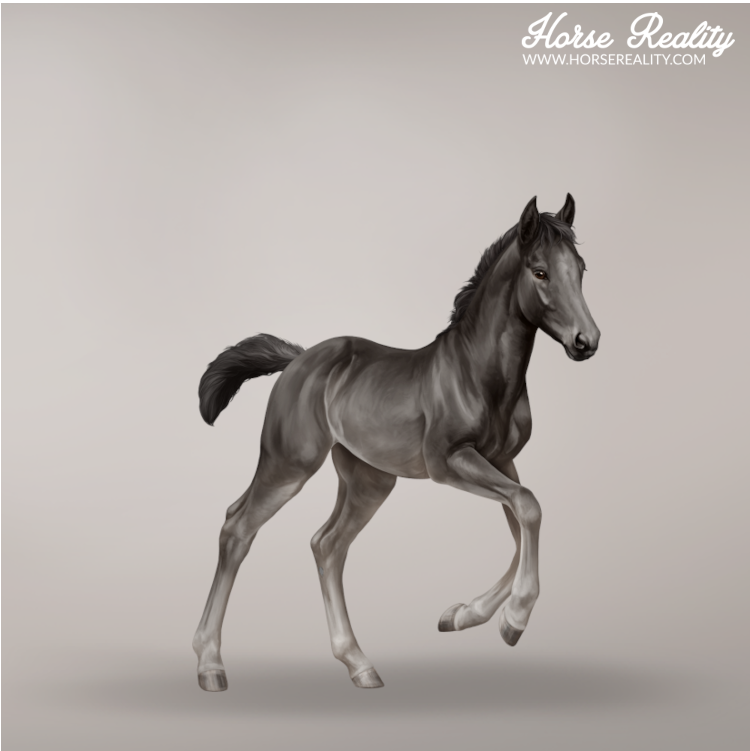 |
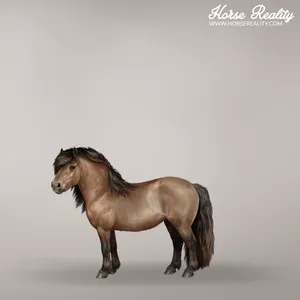
Regular black foal color with primitive markings. Leg primitives may be harder to see. |
|---|
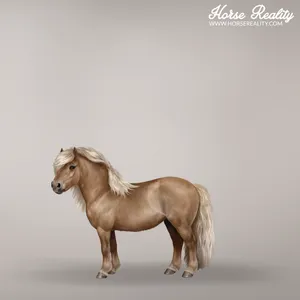
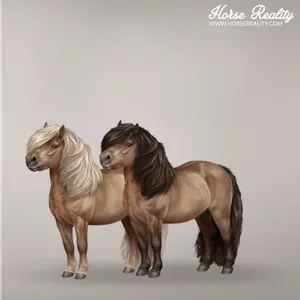
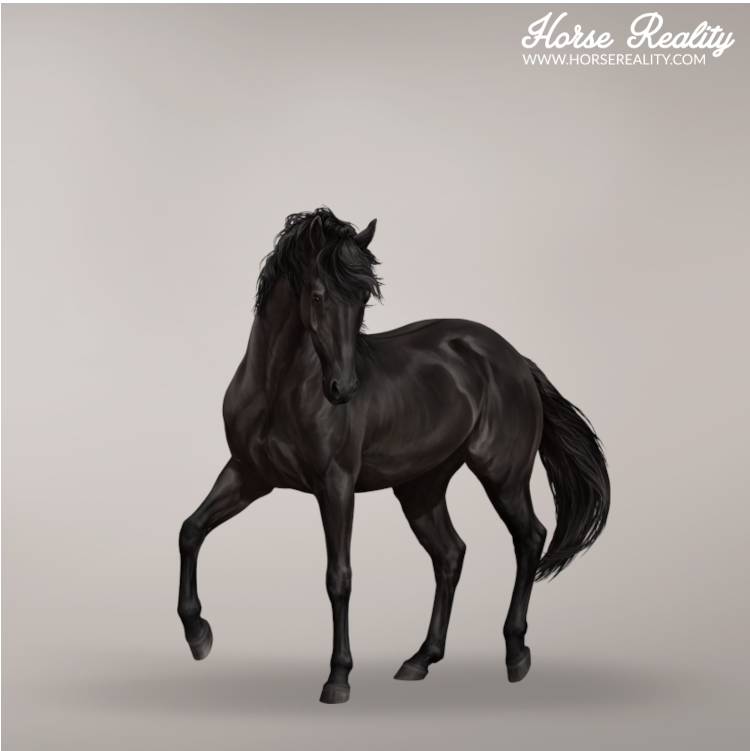
Non-dun1 on a black base causes primitive markings. Nd1 may make horses more susceptible to sun-fading. They may also have lighter inner ears. |
 |
Adults |
|---|
Mimics
Primitive markings can be harder to see on a black base.

Beige or greyish inner ears can be a clearer sign of nd1.
The dun dorsal stripe goes through the tail, while nd1 dorsal stripes don’t.
Dun is more likely to cause striping at the back of the ears than nd1.
Foals with dun tend to have a darker lower face mask, while nd1 foals have a darker forehead.
Genetics
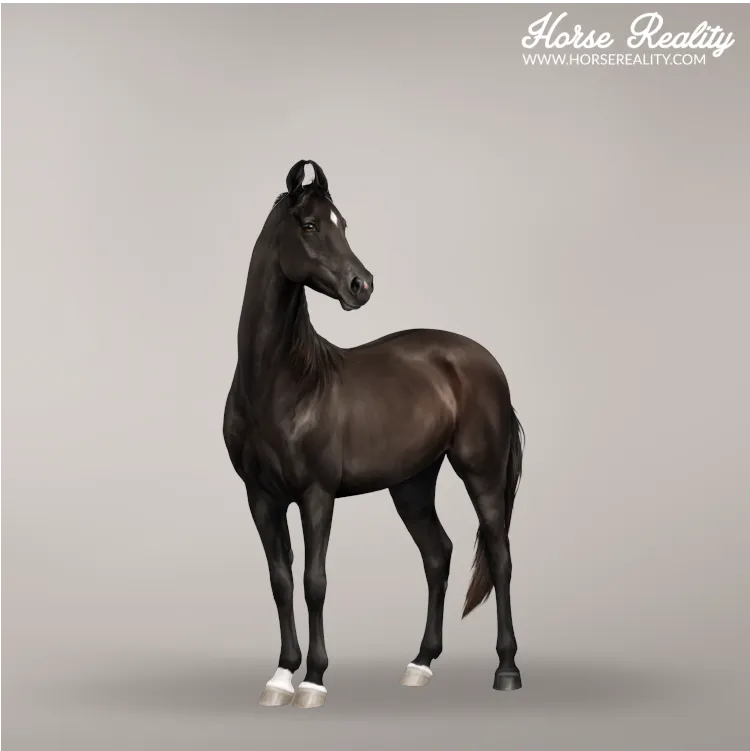
Black non-dun1 is the result of a black base with one or two copies of nd1. Non-dun1 (nd1) is an allele of the TBX3 gene.

Black nd1:
Black (E/_ a/a) + nd1/nd1
Black (E/_ a/a) + nd1/nd2
Dun (D), located on the same gene, is dominant over nd1, so horses could carry nd1 without it being noticeable but still pass it on.
Read more:
Black | Chestnut nd1 | Bay nd1
Articles
- Imsland, F., McGowan, K., Rubin, C. J., Henegar, C., Sundstrom, E., Berglund, J., Schwochow, D., Gustafson, U., Imsland, P., Lindblad-Toh, K., Lindgren, G., Mikko, S., Millon, L., Wade, C., Schubert, M., Orlando, L., Penedo, M. C., Barsh, G. S., & Andersson, L.; Regulatory mutations in TBX3 disrupt asymmetric hair pigmentation that underlies Dun camouflage color in horses; Nature Genetics (2015); Doi: 10.1038/ng.3475
Learn while playing! Discover how genes shape colors and patterns in our realistic horse breeding game, Horse Reality